Foreclosure Leads Hawaii: What Smart Investors Need to Know About the Islands
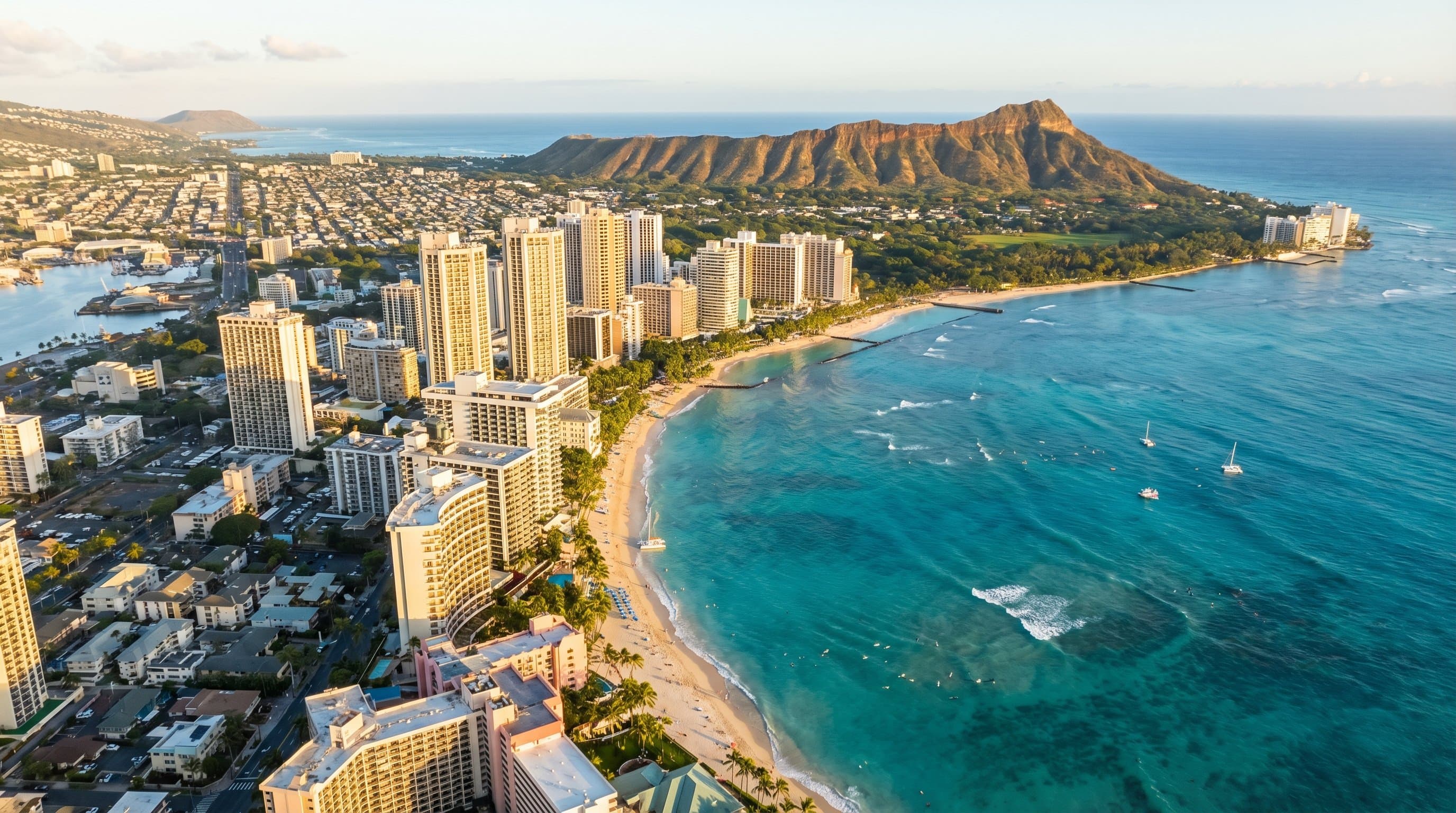
TL;DR: Hawaii operates primarily as a judicial foreclosure state, meaning every foreclosure goes through Circuit Court before sale. The process averages 220 days from default to auction, longer than most mainland states, and there is no post-sale redemption period for standard foreclosures. Investors who understand the court confirmation requirements, the importance of leasehold versus fee simple title, and the island-specific due diligence challenges can find motivated sellers throughout Honolulu, Maui, and the Big Island that most mainland investors never hear about.
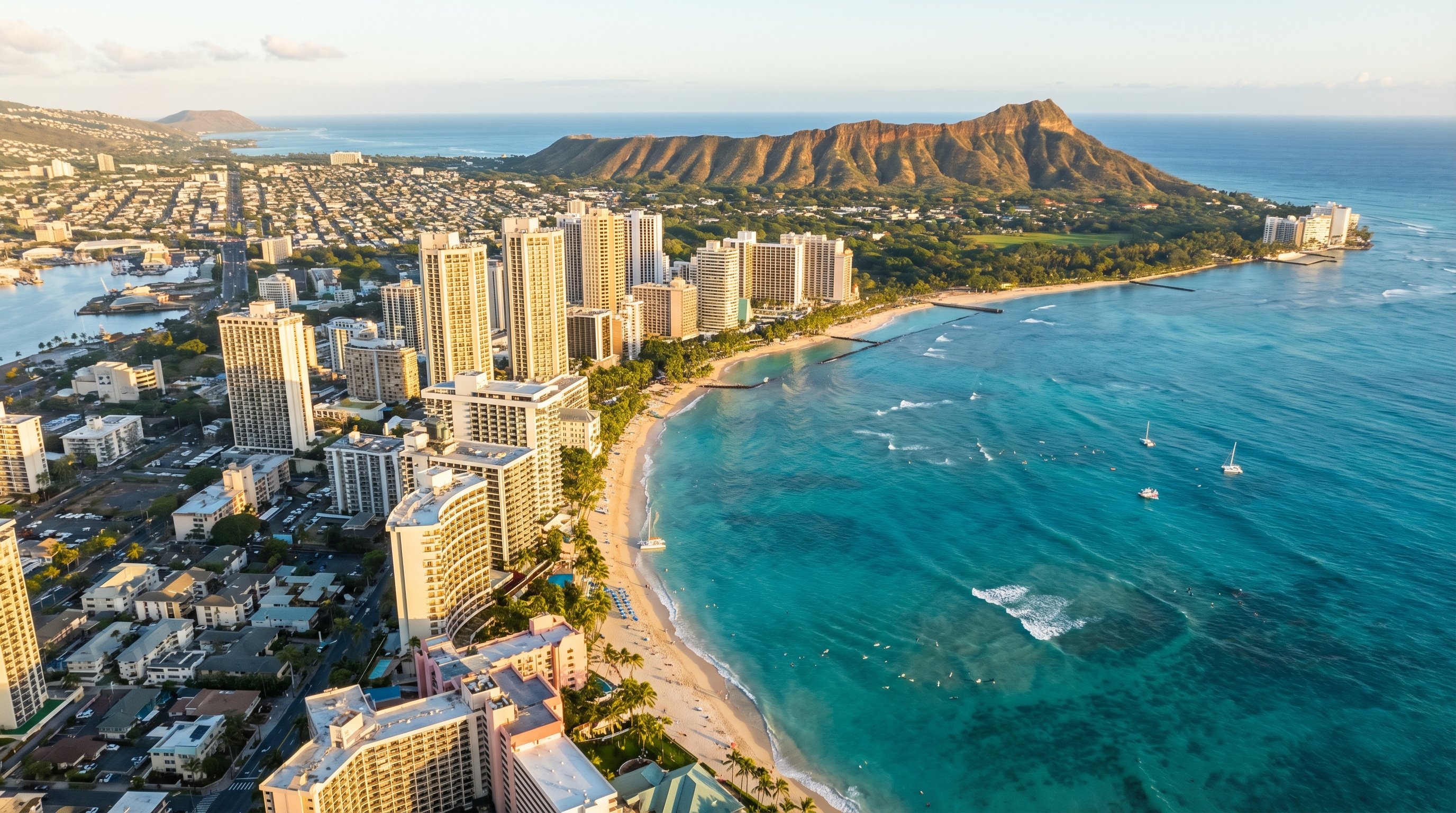
The islands do not process foreclosures the way Florida or Texas do. Most mainland investors who try to apply the same playbook in Hawaii walk into a courtroom without understanding what the judge already knows about their target property. That gap is the opportunity.
Hawaii is a judicial foreclosure state for most mortgages. The lender must file a lawsuit in Circuit Court, serve the borrower, wait for a response window, obtain a judgment, then schedule a court-confirmed sale. For investors, this means the public auction is not the finish line. It is often the midpoint of a process that involves title research, auction bid strategy, and court confirmation where the judge reviews whether the sale terms are fair to all parties. Understanding this structure separates investors who actually close from those who keep losing deposits.
How Hawaii Foreclosure Law Differs From the Mainland
The single biggest difference between Hawaii and mainland states is the judicial requirement. Most states use power-of-sale (non-judicial) foreclosure, which allows the trustee to sell the property directly after a notice period without court involvement. Hawaii's default rule requires judicial oversight unless the mortgage specifically authorizes non-judicial procedures and meets Hawaii Revised Statutes Section 667 requirements.
The implications for an investor are concrete. In Texas, a foreclosure sale can occur 41 days after the notice of default is recorded. In Hawaii, the same scenario routinely stretches 180 to 270 days because every step requires court scheduling. The lender files the lawsuit, the borrower has 20 days to respond, discovery runs its course, the court enters judgment, and only then does the sale date get set. This extended timeline is not a bug. It creates a wider pre-foreclosure window where motivated sellers have more time to seek alternatives before the hammer falls.
The Hawaii Supreme Court clarified a critical timing question in August 2025. In Bank of New York Mellon v. White and Deutsche Bank Trust Co. Americas v. Szymanski, the Court ruled that foreclosure actions are subject to Hawaii's 20-year statute of limitations for real property claims under HRS Section 657-31, not the 6-year contract period under HRS Section 657-1. The practical effect is that lenders have up to 20 years from the date of default to pursue foreclosure. For investors, this means properties can appear in pre-foreclosure status long after most investors would have assumed the window closed.
No post-sale redemption period exists for standard Hawaii foreclosures. Once the sale is confirmed by the court and the winning bid is accepted, ownership transfers immediately. The winning bidder does not need to wait for a redemption period to expire as they would in Illinois or Iowa. This is a meaningful structural difference for investors calculating holding costs and exit timelines. Source: Friedman Vartolo LLP, Hawaii Supreme Court Foreclosure Ruling, September 2025
The Pre-Foreclosure Window in Hawaii
The pre-foreclosure period in Hawaii begins when the lender files a notice of default and intention to foreclose. For non-judicial power-of-sale foreclosures under HRS Section 667-22, the notice must be published once a week for three successive weeks, with the last publication at least 14 days before the sale date. The notice must also be posted on the property itself at least 21 days before the sale.
For judicial foreclosures, the pre-foreclosure period is longer by design. The lender files the complaint, the borrower is served, and the case moves through the court calendar. During this period, the borrower may cure the default at any time up until three business days before the sale by paying the full amount owed plus costs and reasonable attorney's fees. For an investor, this creates a narrow window where the seller is motivated but not yet auction-bound. The key is identifying the property during this period and making direct contact before the court sets the sale date.
The pre-foreclosure period in Hawaii averages longer than most states due to court processing times. Investors who monitor county records can find properties that have been in default for 90 to 180 days before the auction date is set. This extended runway is an advantage for investors who can move quickly with cash or hard money ready to close. Many mainland investors ignore Hawaii because they assume the process is similar to California or Arizona. That assumption leaves the market underworked by outside capital.
Hawaii Foreclosure Auctions: How the Court Confirmation Process Works
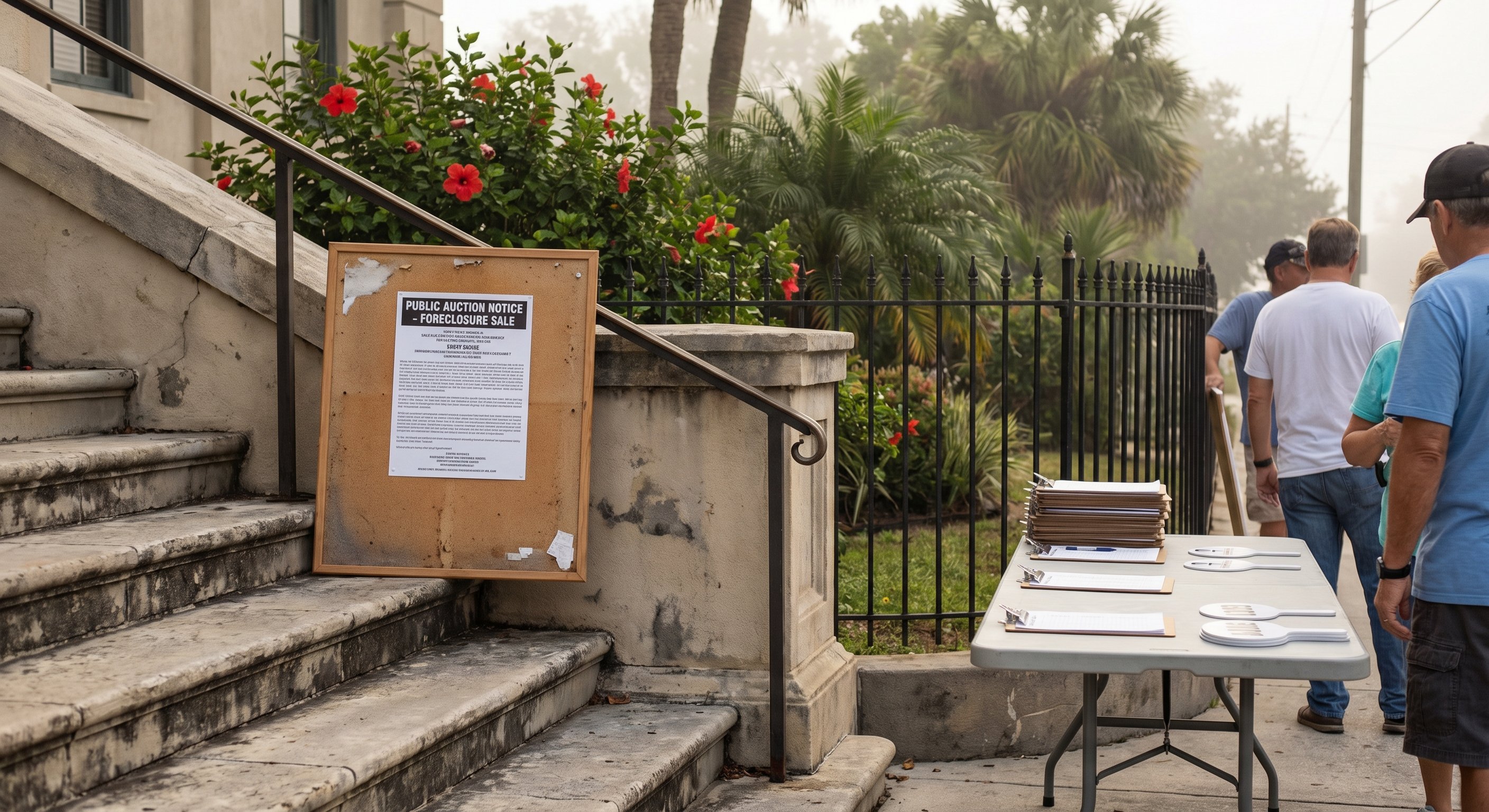
The auction itself is only half the battle in Hawaii. After the winning bid is recorded, the sale typically requires court confirmation before title transfers. The court reviews whether the sale price is fair, whether proper procedures were followed, and whether any junior lienholders have objections. This is not a formality in Hawaii. Judges in Circuit Court have discretion to reject sale terms they consider inadequate.
For an investor attending a Hawaii foreclosure auction, this means the winning bid must be defensible. A nominal bid well below market value may survive in some states, but in Hawaii the court has rejected sales where the winning bid was substantially below appraised value. Investors who plan to bid at a significant discount to market must be prepared to justify the price in court or find a strategy that avoids court confirmation entirely.
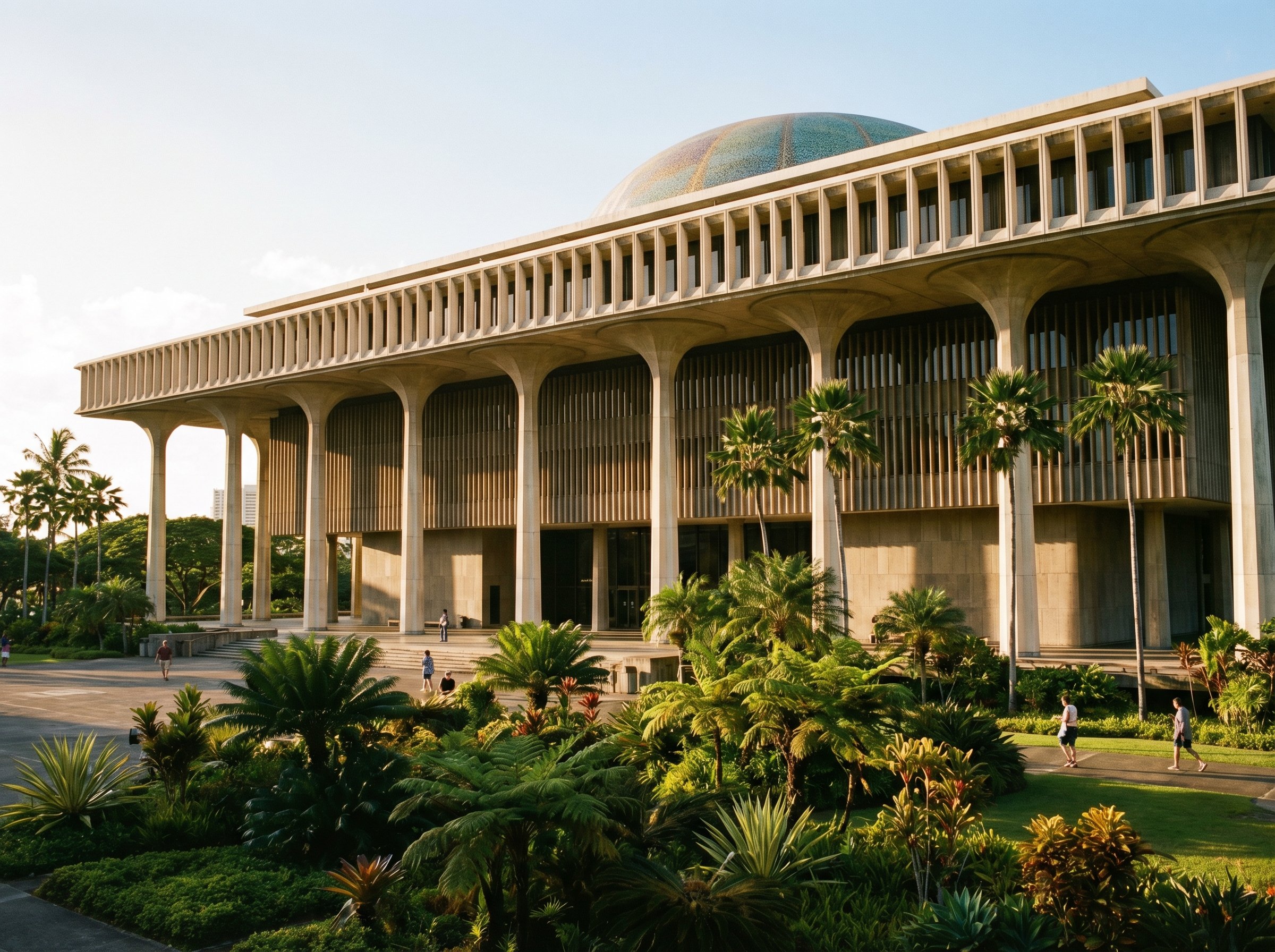
The auction must be held in the county where the property is located. For properties in the City and County of Honolulu, the sale is conducted at the state capitol building, not at the courthouse. This is a distinctive Hawaii-specific rule that surprises investors accustomed to courthouse steps auctions on the mainland. Auctions cannot be held on judiciary-administered grounds or facilities, which further constrains the available venues on each island. Source: AmeriNOT Exchange, Hawaii Foreclosure Laws and Process Overview 2025
Free Weekly Alerts
See What's Distressed in Your Market
Get free weekly alerts — new distressed properties, motivation scores, and hot neighborhoods in your area. Addresses and contact info available inside DistressIQ.
Free forever · No credit card · Unsubscribe anytime
Leasehold vs. Fee Simple: The Hawaii-Specific Factor That Changes Every Calculation
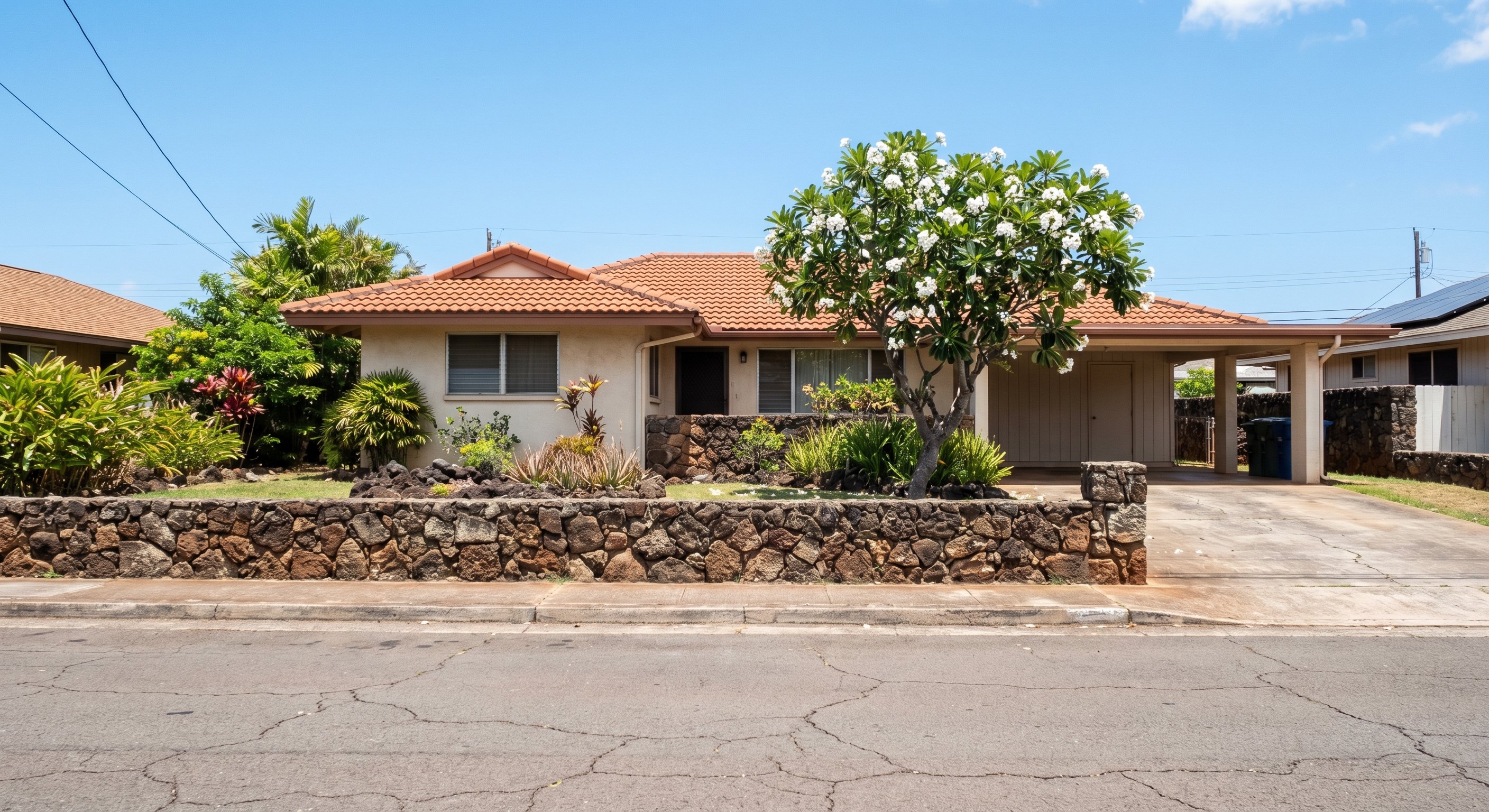
No discussion of Hawaii foreclosure leads is complete without addressing leasehold. A substantial portion of Hawaii residential property is held under leasehold tenure, where the investor owns the building but rents the land under a long-term ground lease. Many mortgages on leasehold properties contain power-of-sale clauses that accelerate the non-judicial foreclosure process, but the leasehold structure adds a layer of complexity that fee simple title does not have.
Leasehold properties at foreclosure auction may sell at a deeper discount than fee simple equivalents, but the investor assumes the ground lease obligations including annual rent, escalation clauses, and reversion terms. When the land lease expires, the improvements may revert to the fee owner. Any investor buying a leasehold foreclosure must analyze the ground lease terms with the same rigor as the purchase price. A property that appears cheaply priced at auction may carry lease obligations that make the economics unworkable.
The Hawaii Revised Statutes Section 667-52 gives successful auction buyers the right to choose their own title insurer and escrow agent, which helps streamline the post-auction process. However, the underlying complexity of leasehold title means investors should engage a Hawaii-licensed real estate attorney before bidding, not after. The cost of a pre-bid title review is minimal compared to the cost of discovering a surviving lease encumbrance after closing.
County-Level Breakdown: Where the Deals Actually Are

Honolulu County, covering the island of Oahu, accounts for the majority of Hawaii's population and the majority of foreclosure activity. The Honolulu MLS and county records show the bulk of distressed inventory concentrated in neighborhoods like Waipahu, Pearl City, and the Makakilo hillside, where price points are lower and owner-occupancy rates are higher. Urban Honolulu and Waikiki see less foreclosure inventory relative to sales volume, partly because those markets are more liquid and owners have more exit options.
Maui County includes Maui, Molokai, and Lanai. The Maui market has seen significant price appreciation since 2020, which has reduced distressed inventory but has not eliminated it. Investors targeting Maui foreclosure leads should focus on the Kahului and Lahaina areas where median prices have climbed fastest and where some investors who purchased at peak valuations have less equity cushion. The Hawaii Island (Big Island) market has the most affordable entry point of the three main islands, with median prices substantially below Oahu and Maui averages. Foreclosure inventory on the Big Island tends to cluster around Hilo and the western Kohala coast.
Kauai, the fourth major county, has the smallest population and the thinnest foreclosure inventory. Investors interested in Kauai foreclosure leads typically find better access through local MLS contacts than through courthouse auction lists. A local Kauai agent who monitors distressed inventory for bank-owned listings is often a better source than public records research for that market.
What Makes Hawaii Pre-Foreclosure Leads Different
The pre-foreclosure lead quality in Hawaii differs from mainland markets in one specific way that matters enormously: motivated sellers in Hawaii face an unusually high cost of relocation. Selling a home in Hawaii and relocating to the mainland requires absorbing the full cost of mainland housing plus maintaining Hawaii expenses during the transition. This economic reality means some Hawaii homeowners in default choose to litigate the foreclosure rather than accept a short sale or deed-in-lieu, which extends the pre-foreclosure window and creates more contact opportunities for investors who move fast and offer clean cash solutions.
The Hawaii Supreme Court decisions in 2025 also created a secondary effect that affects lead volume. By confirming that lenders have up to 20 years to pursue foreclosure actions, the Court has made it harder for borrowers to claim the statute of limitations as a defense. The practical effect is that older defaulted loans that might have been abandoned on the mainland remain active in Hawaii courts, meaning pre-foreclosure lead lists in Hawaii may include properties that have been in default for years.
How to Find Foreclosure Leads in Hawaii
The county recorder is the starting point for any Hawaii foreclosure lead search. Hawaii Revised Statutes Chapter 667 governs both judicial and power-of-sale foreclosures, and all notices of default and notices of sale must be recorded with the Bureau of Conveyances or the appropriate land court district. Properties under the Hawaii Land Court system (typically fee simple and leasehold properties with registration) follow a different recording system than the regular Bureau of Conveyances, which means an investor needs to check both systems for complete coverage.
The public sale notice must be published in a newspaper of general circulation in the county where the property is located. For Honolulu County, this means the Honolulu Star-Advertiser. Publication runs for three consecutive weeks with the last publication at least 14 days before the sale date. Investors who monitor these publications weekly can build a targeted Hawaii foreclosure auction list before the sale date arrives.
Court records are accessible through the Hawaii Judiciary case search (eCourts) for Circuit Court civil filings. Searching by case type for mortgage foreclosure actions and filtering by county gives investors a view of the judicial foreclosure pipeline. For properties already in the judicial process, the case docket will show the filing date, the response status, the scheduling orders, and the case management conference dates. This data tells an investor not just that a property is in foreclosure but how far through the process it has progressed.
The DistressIQ platform aggregates distress signals across all four major Hawaiian counties, tracking pre-foreclosure filings, notice of default recordings, and auction confirmations in a single interface. Investors can filter by island, by signal recency, and by property characteristics to build a targeted Hawaii foreclosure leads list without tab-switching between county recorder databases, court search portals, and newspaper subscription services.
See verified foreclosure signals across Hawaii updated daily on DistressIQ.
Due Diligence Challenges Specific to Hawaii
Interior access is the biggest due diligence problem in Hawaii foreclosure investing. Properties sold at auction are typically sold as-is with no interior inspection access. Unlike mainland states where investors can sometimes arrange entry through the occupant or through a court-ordered inspection, Hawaii's island geography and the prevalence of vacation rentals make interior access particularly difficult. A property that appears clean from the street may have significant deferred maintenance, illegal additions, or covenant violations that are invisible from outside.
The Hawaii Statewide Major Flooding Zone affects insurance considerations for properties in flood zones, which are more extensive on Oahu and the eastern slopes of Maui and the Big Island than many investors realize. Flood zone designation affects renovation financing, resale, and hold strategy. An investor budgeting $30,000 for a kitchen renovation in Honolulu may face an additional $8,000 to $15,000 in flood insurance costs that their mainland comparable analysis would never catch.
Title issues can survive the foreclosure in Hawaii for the same reason they can anywhere: a junior lienholder who is not made a party to the foreclosure action may retain their lien on the property after sale. Hawaii's association foreclosure provisions under HRS Section 667-19 create a separate foreclosure track for condo and HOA assessments that operates independently of the mortgage foreclosure process. An investor who buys a unit at auction free and clear of the mortgage may discover that months later an HOA assessment lien surfaces and survives because the association was not named in the original foreclosure case. Comprehensive lien research before bidding is not optional in Hawaii. It is the cost of doing business.
FAQ
How long does foreclosure take in Hawaii?
Hawaii foreclosure timelines average 220 days from notice of default to auction, though judicial foreclosures can extend significantly longer depending on court scheduling and whether the case is contested. The 2025 Hawaii Supreme Court ruling confirmed that lenders have up to 20 years to pursue foreclosure actions, which means older defaulted loans can remain in the pipeline indefinitely. Unlike non-judicial states like Texas where the process can complete in 60 to 90 days, Hawaii's court involvement creates a process measured in months.
Is Hawaii a judicial or non-judicial foreclosure state?
Hawaii is primarily a judicial foreclosure state. Most mortgages use the judicial process through Circuit Court, which involves filing a lawsuit, serving the borrower, obtaining a judgment, and scheduling a court-confirmed sale. Non-judicial foreclosure is available only when the mortgage or deed of trust contains a valid power-of-sale clause and the statutory requirements under Hawaii Revised Statutes Section 667-21 are satisfied. Many lenders prefer judicial foreclosure for certainty, which means investors should expect court involvement in the majority of Hawaii foreclosure transactions.
Can you buy a foreclosure property as-is in Hawaii?
Yes. Hawaii foreclosure properties at auction are almost universally sold as-is, meaning the winning bidder purchases the property in its current condition with no seller disclosures and no warranty from the lender. Interior inspection is rarely available before the sale. Investors must rely on exterior observation, public records, and prior MLS listings to assess condition. Budgeting for renovation costs requires conservative estimating, particularly given Hawaii's high labor and material costs compared to mainland markets.
What is the post-sale redemption period in Hawaii?
There is no general post-sale redemption period for standard Hawaii foreclosures once the court confirms the sale. The borrower does not have a statutory right to redeem the property after the sale by paying the winning bid amount plus costs. This is a meaningful difference from redemption states like Illinois, where borrowers have up to 90 days post-sale to redeem. In Hawaii, the winning bidder takes title immediately after court confirmation without waiting for a redemption period to expire.
What are the main risks of buying foreclosure property in Hawaii?
The primary risks specific to Hawaii are leasehold title complexity, limited interior inspection access, high renovation costs, occupancy issues at auction properties, and association assessment liens that can survive the foreclosure. Investors also face longer holding periods due to the judicial process, higher hard money lending costs given Hawaii's niche market, and island-specific logistics for renovation materials and contractor access. A conservative ARV estimate that accounts for these factors is essential before bidding.
How do I find foreclosure auction dates for properties in Hawaii?
Foreclosure auction notices in Hawaii are published in the Honolulu Star-Advertiser and the appropriate county newspaper for properties on Maui, Kauai, and the Big Island. The notices must run for three consecutive weeks before the sale date. Court records for judicial foreclosures are searchable through the Hawaii Judiciary eCourts portal by case type and county. The county recorder also indexes the notices of sale once filed. Monitoring all three sources simultaneously is the most reliable way to build a complete Hawaii foreclosure auction calendar.
See distressed property signals in Hawaii and across every US county on DistressIQ.
The data behind this article
DistressIQ Monitors These Signals in Real Time
Pre-Foreclosures
NOD + NTS filings
Tax Delinquency
County treasurer records
Code Violations
Municipal inspection filings
Probate Filings
Superior Court records
Every lead is scored 0–100 for seller motivation based on signal type, duration, severity, and stacking. Nationwide coverage — every US county, updated daily.
Ready to find deals in your market?
See Live Distress Signals in Your County
Stop calling dead leads. Every lead in DistressIQ is scored 0–100 for seller motivation, with verified contact info included. Browse the free tier to see what's active in your market right now.
Browse Free Leads — No Credit Card