Bankruptcy Leads Arizona: How Investors Find Chapter 13 Filings Before the Market Does

Bankruptcy Leads Arizona: How Investors Find Chapter 13 Filings Before the Market Does
TL;DR: Chapter 13 bankruptcy filings in Arizona create a predictable window of motivated-seller opportunity. The U.S. Bankruptcy Court for the District of Arizona publishes case dockets online, and properties linked to active Chapter 13 plans frequently need to be sold. Investors who monitor these filings gain access to off-market leads that most wholesalers have never heard of. DistressIQ aggregates bankruptcy-related distress signals alongside tax delinquency, code violations, and lis pendens filings, giving investors a scored view of motivated sellers across every Arizona county.

What Chapter 13 Bankruptcy Actually Means for Arizona Property Owners
Chapter 13 is the bankruptcy chapter most relevant to real estate investors in Arizona. Unlike Chapter 7, which wipes out most unsecured debt and requires liquidation of assets, Chapter 13 restructures debt using a court-approved repayment plan. For a homeowner with a mortgage, this typically means they are trying to keep the property.
That is exactly why Chapter 13 filings matter to investors. These are homeowners who have been through financial hardship, have a court-approved plan to catch up on their mortgage, and are actively trying to avoid foreclosure. Many of them will ultimately need to sell the property anyway. The plan gives them 3 to 5 years to make it work. When it fails, they need a buyer fast.
The distinction between Chapter 13 and Chapter 7 matters for lead quality. Chapter 7 filers often have already lost the property or are too far gone financially. Chapter 13 filers are still in the game, still negotiating with their lender, and often highly motivated to find a buyer before the plan collapses. They are the investor sweet spot.
How Arizona Bankruptcy Court Records Work
The U.S. Bankruptcy Court for the District of Arizona maintains public case dockets at azb.uscourts.gov. Any investor can search by county, case type, or filing date to find active Chapter 13 cases. The docket shows the filer's name, address, the bankruptcy case number, and key milestones in the case.
What most investors miss is the connection between the bankruptcy filing and the property. A Chapter 13 case includes Schedule A, which lists the debtor's real estate holdings. If a homeowner in Phoenix, Tucson, or Mesa has a filed Chapter 13 plan and their property is listed, they are likely trying to sell it to satisfy the plan.

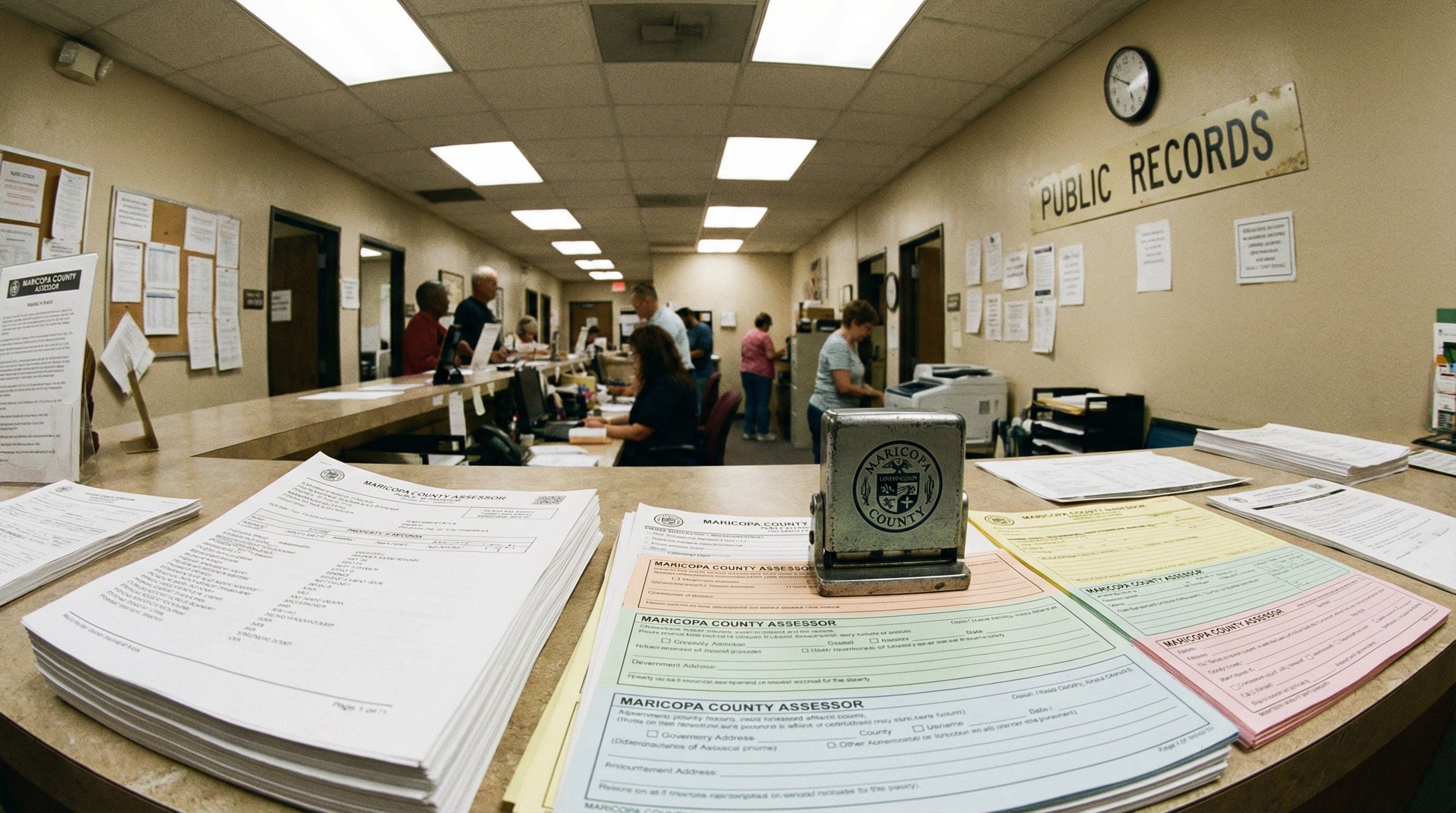
The problem with manual court record searches is time. Each search yields PDFs, docket entries, and filing numbers that must be cross-referenced with county assessor records to get a property address and estimated value. Doing this for more than a handful of cases takes hours. Most investors do not have those hours.
The DistressIQ Approach to Arizona Bankruptcy Leads
DistressIQ connects bankruptcy-related distress signals with other data points to surface properties that are most likely to come to market. Rather than searching court records manually for every new filing, investors can see a ranked view of properties with verified distress indicators across Arizona counties.
This approach matters because bankruptcy filings alone do not tell the whole story. A homeowner can file Chapter 13 and still have equity in the property, no urgent need to sell, and a plan that works. What separates a good bankruptcy lead from a bad one is the combination of signals: Is the property also tax delinquent? Is there a lis pendens filing from the lender? Has the owner received a code violation notice? Stacking these signals reveals who is most likely to need a buyer.
Maricopa County, which includes Phoenix and the majority of Arizona's population, generates the most bankruptcy filings in the state. Pima County (Tucson) is second. These two counties should be the starting point for any investor looking for bankruptcy leads in Arizona.
Free Weekly Alerts
See What's Distressed in Your Market
Get free weekly alerts — new distressed properties, motivation scores, and hot neighborhoods in your area. Addresses and contact info available inside DistressIQ.
Free forever · No credit card · Unsubscribe anytime
The Timeline Window Arizona Investors Should Know
Chapter 13 cases move on a predictable schedule that creates urgency for investors. After filing, the debtor proposes a repayment plan within 14 days. The bankruptcy trustee reviews it, and creditors have a chance to object. The confirmation hearing typically occurs within 45 days of filing.
If the debtor cannot make plan payments, the case can be dismissed or converted to Chapter 7. Once dismissed, the automatic stay that protected the property from foreclosure is lifted, and the lender can proceed with foreclosure immediately.
This means the window between plan confirmation and potential dismissal is when bankruptcy leads are hottest. A homeowner who has been making payments for 12 months and suddenly stops is a prime candidate. This is where DistressIQ's daily updates matter. Catching a case 30 days before dismissal means talking to a seller while they still have time to negotiate a short payoff instead of losing the property at auction.

Why Phoenix Metro Is the Arizona Bankruptcy Lead Hotspot
Maricopa County accounts for roughly 60 percent of Arizona's population and an even larger share of distressed property activity. The Phoenix metro housing market has seen significant price appreciation since 2020, which means many homeowners who purchased at peak prices now have properties worth less than their mortgage balance. When financial hardship strikes, these homeowners have fewer options and are more likely to end up in Chapter 13.
Submarkets within Phoenix with the highest concentration of bankruptcy leads tend to share common characteristics: newer construction subdivisions from 2005 to 2008, areas with high investor concentrations, and neighborhoods where rental demand is strong enough that a quick sale to an investor is preferable to a failed Chapter 13 plan.
Tucson and the surrounding Pima County market operates differently. The market is smaller, price appreciation has been slower, and the investor pool is less active. For investors willing to work a Tucson bankruptcy lead, competition is significantly lower than Phoenix.
What to Do When You Find an Arizona Bankruptcy Lead
Contacting a homeowner in an active Chapter 13 case requires care. The automatic stay protects the debtor from creditor contact, but once you have identified a property that may need to be sold, the approach matters. Investors should work with a real estate attorney or title company experienced in bankruptcy transactions to navigate the process correctly.
The most common exit strategy for bankruptcy leads is a short sale. The bankruptcy court must approve any sale of the property for less than the mortgage balance, which requires lender approval and typically takes 60 to 90 days. Investors who understand this timeline and can present a clean, quick close have a significant advantage over retail buyers who need mortgage financing.
Some Chapter 13 debtors have already received court approval to sell the property and use the proceeds to pay down debt. These are the cleanest leads because the legal obstacles have already been cleared. Investors should ask specifically whether the court has entered an order authorizing the sale.
Stacking Signals: How Bankruptcy Fits Into a Broader Distress Strategy
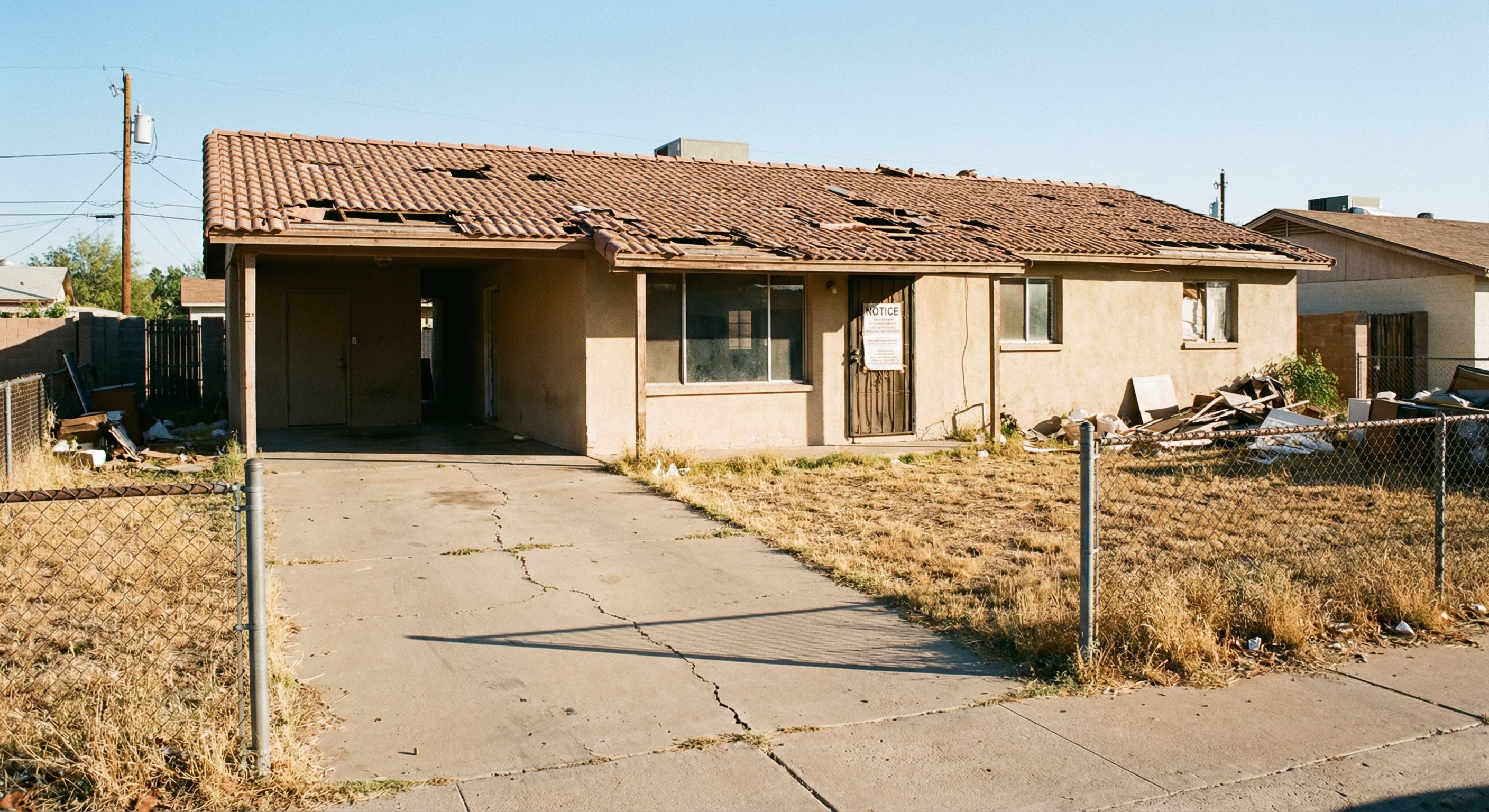
Experienced investors do not rely on a single distress signal. A property with a Chapter 13 filing AND a tax delinquency notice AND a code violation is far more likely to need a quick sale than one with a bankruptcy filing alone. This is the core principle behind multi-signal lead scoring.
DistressIQ stacks bankruptcy-related signals alongside 20 other distress indicators, including tax delinquency, code violations, lis pendens filings, and pre-foreclosure activity. For Arizona investors, this means a property in Maricopa County that appears on the bankruptcy court docket and also shows a recent code violation is a stronger lead than one with a bankruptcy filing alone.
The combination of signals also helps investors prioritize their outreach. A motivated seller with a confirmed Chapter 13 plan and one missed payment is a different conversation than one whose case was filed 18 months ago and has been extended twice. Signal recency and stacking depth are the difference between calling 100 leads and calling 5 that actually want to talk.
Frequently Asked Questions
How do I find Chapter 13 bankruptcy filings in Arizona?
You can search the U.S. Bankruptcy Court for the District of Arizona at azb.uscourts.gov or use the PACER system at pacer.uscourts.gov. Register for a free account and query Chapter 13 cases filed in the past 90 days in Maricopa or Pima County. Review Schedule A in each case to identify listed properties. Alternatively, use DistressIQ to see bankruptcy-related distress signals already cross-referenced with other property data.
Does a Chapter 13 filing mean the homeowner must sell?
Not automatically. Chapter 13 is a repayment plan, and the homeowner is trying to keep the property. However, if the plan fails or the court authorizes a sale, the property may need to be sold. The most motivated sellers in Chapter 13 cases are those whose plans have missed payments or who have already received court approval to sell.
Can investors contact homeowners in an active Chapter 13 case?
There are restrictions on creditor contact during bankruptcy proceedings, but once a property is listed in Schedule A and the homeowner indicates intent to sell, working with a qualified real estate attorney to facilitate the transaction is standard practice. Investors should always use a real estate attorney experienced in bankruptcy transactions in Arizona.
How long does a short sale take in an Arizona Chapter 13 case?
A short sale in a Chapter 13 case typically requires 60 to 90 days for lender approval, plus additional time for the bankruptcy court to approve the sale terms. Investors who can close quickly have an advantage because the bankruptcy trustee and homeowner both prefer a fast, clean transaction over a prolonged process.
What Arizona counties have the most bankruptcy leads?
Maricopa County (Phoenix metro) generates the most Chapter 13 filings in Arizona due to its size and the concentration of homeowners with underwater mortgages. Pima County (Tucson) is the second-largest market. Investors looking for volume should start in these two counties.
See distressed properties with verified bankruptcy-related and other distress signals in Arizona counties on DistressIQ. Browse unlimited, sorted by motivation score. Visit distressiq.ai to get started.
DistressIQ tracks 20+ distress signal types across every US county, updated daily from county-direct sources.
The data behind this article
DistressIQ Monitors These Signals in Real Time
Pre-Foreclosures
NOD + NTS filings
Tax Delinquency
County treasurer records
Code Violations
Municipal inspection filings
Probate Filings
Superior Court records
Every lead is scored 0–100 for seller motivation based on signal type, duration, severity, and stacking. Nationwide coverage — every US county, updated daily.
Ready to find deals in your market?
See Live Distress Signals in Your County
Stop calling dead leads. Every lead in DistressIQ is scored 0–100 for seller motivation, with verified contact info included. Browse the free tier to see what's active in your market right now.
Browse Free Leads — No Credit Card