Absentee Owner List North Carolina: Where Out-of-State Investors Are Selling in 2026
Absentee Owner List North Carolina: Where Out-of-State Investors Are Selling in 2026
TL;DR: North Carolina's absentee owner list is one of the richest lead sources in the Southeast. With 100 counties, a booming rental market in Charlotte and Raleigh, and thousands of vacation properties along the Outer Banks and in Asheville, NC has a massive pool of out-of-state owners who are increasingly motivated to sell. Property tax reassessments, rising appreciation, and distance-fatigue are the primary triggers in 2026. This guide covers where to find them, which markets have the highest concentration, and how to prioritize the highest-probability sellers.
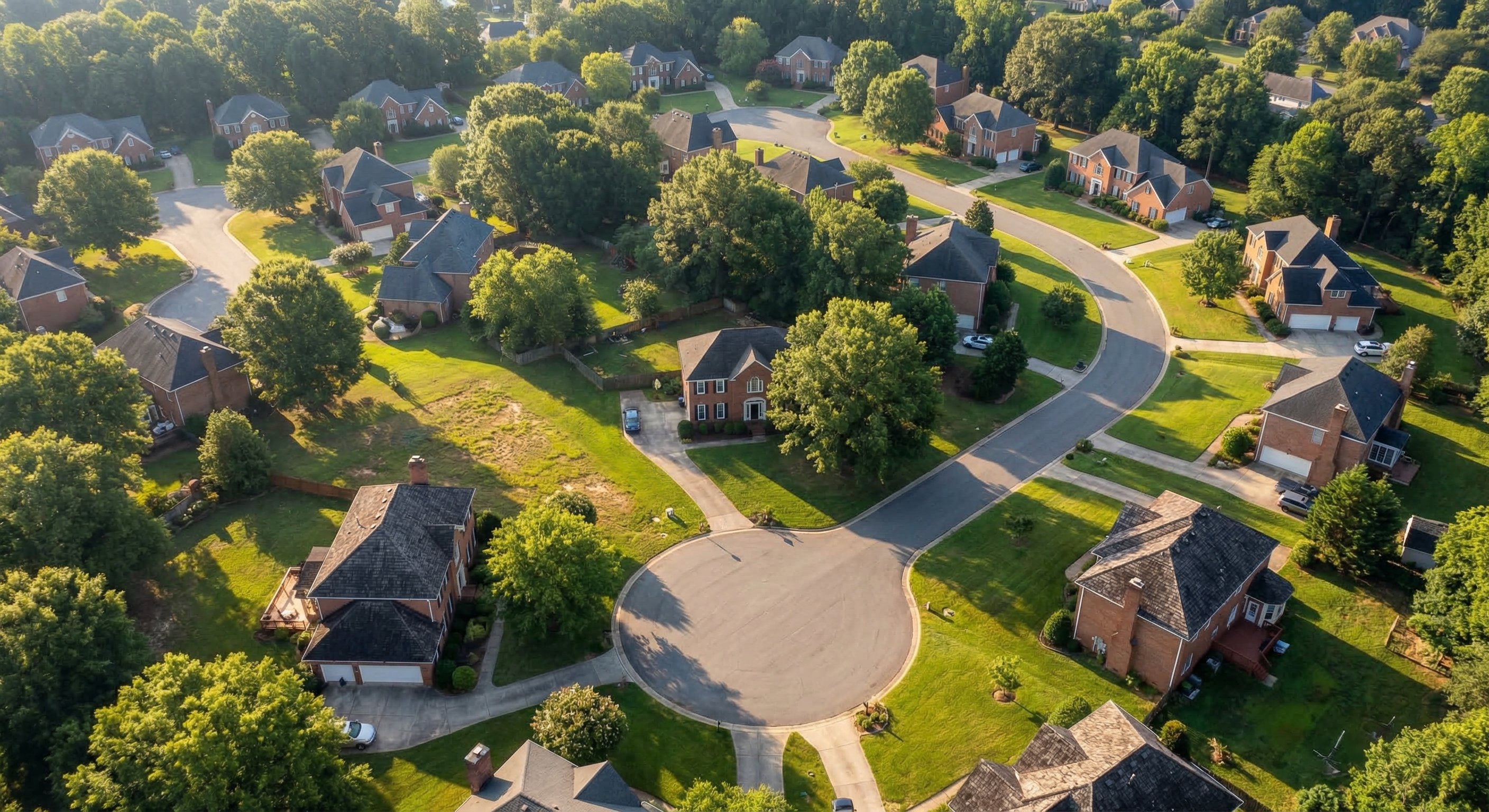
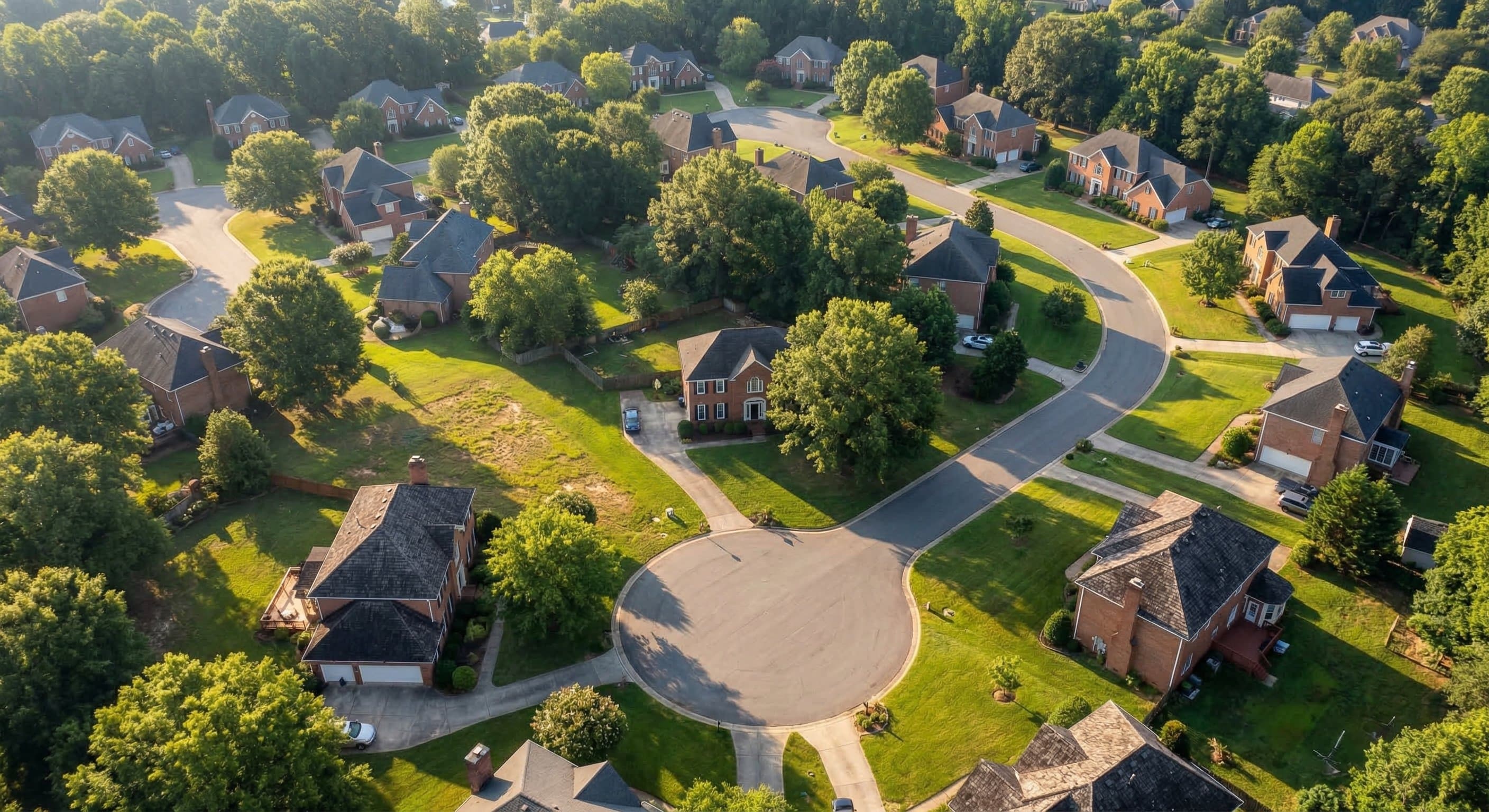
North Carolina quietly became one of the most active real estate investor markets in the country — and most of the action isn't happening on the MLS. Between Charlotte's explosive population growth, Raleigh's tech-driven appreciation, Asheville's short-term rental boom, and coastal vacation properties along 300 miles of Outer Banks shoreline, the state has generated hundreds of thousands of absentee-owned properties over the past decade.
Those owners aren't all sitting tight. Recent property tax reassessments, rising maintenance costs, and shifting rental regulations have put pressure on a significant slice of them. If you're working in NC — or looking to break in — the absentee owner list is where you should start.
What Makes North Carolina's Absentee Owner Market Different
North Carolina has 100 counties and a uniquely fragmented property ownership landscape. You've got institutional investors that swept through Charlotte and Raleigh post-2012. You've got retirees from New Jersey, Ohio, and Pennsylvania who bought Outer Banks vacation homes in the 2000s and haven't visited in three years. You've got small landlords in Greensboro and Fayetteville who inherited a rental and never wanted to be landlords in the first place.
These are three very different types of absentee owners — and each responds to a different approach.
The investor-landlord segment (Charlotte, Raleigh, Triangle) is largely focused on returns. When appreciation has been strong and cap rates have compressed, many of these owners are willing to exit at the right price — especially if they're facing deferred maintenance or a prolonged vacancy.
The vacation property segment (Outer Banks, Lake Norman, Asheville) is driven by lifestyle changes. Kids are grown, they don't make the trip anymore, property taxes and HOA dues keep climbing, and the property sits mostly empty. These sellers are often emotionally ready before they're logistically ready — a direct outreach at the right moment closes deals.
The reluctant landlord segment (secondary cities, inherited properties) is the most motivated. They didn't choose to be landlords, they don't know what they're doing, and they're exhausted. These sellers will accept below-market prices for certainty and speed.
According to the U.S. Census Bureau's 2023 American Community Survey, roughly 11.8% of North Carolina housing units are classified as vacant — slightly above the national average. In coastal counties like Dare (Outer Banks) and Brunswick, vacancy rates exceed 40%, almost entirely vacation and seasonal use. That's not blight — it's opportunity, when you know how to read the signal.
The Top Markets for NC Absentee Owner Leads
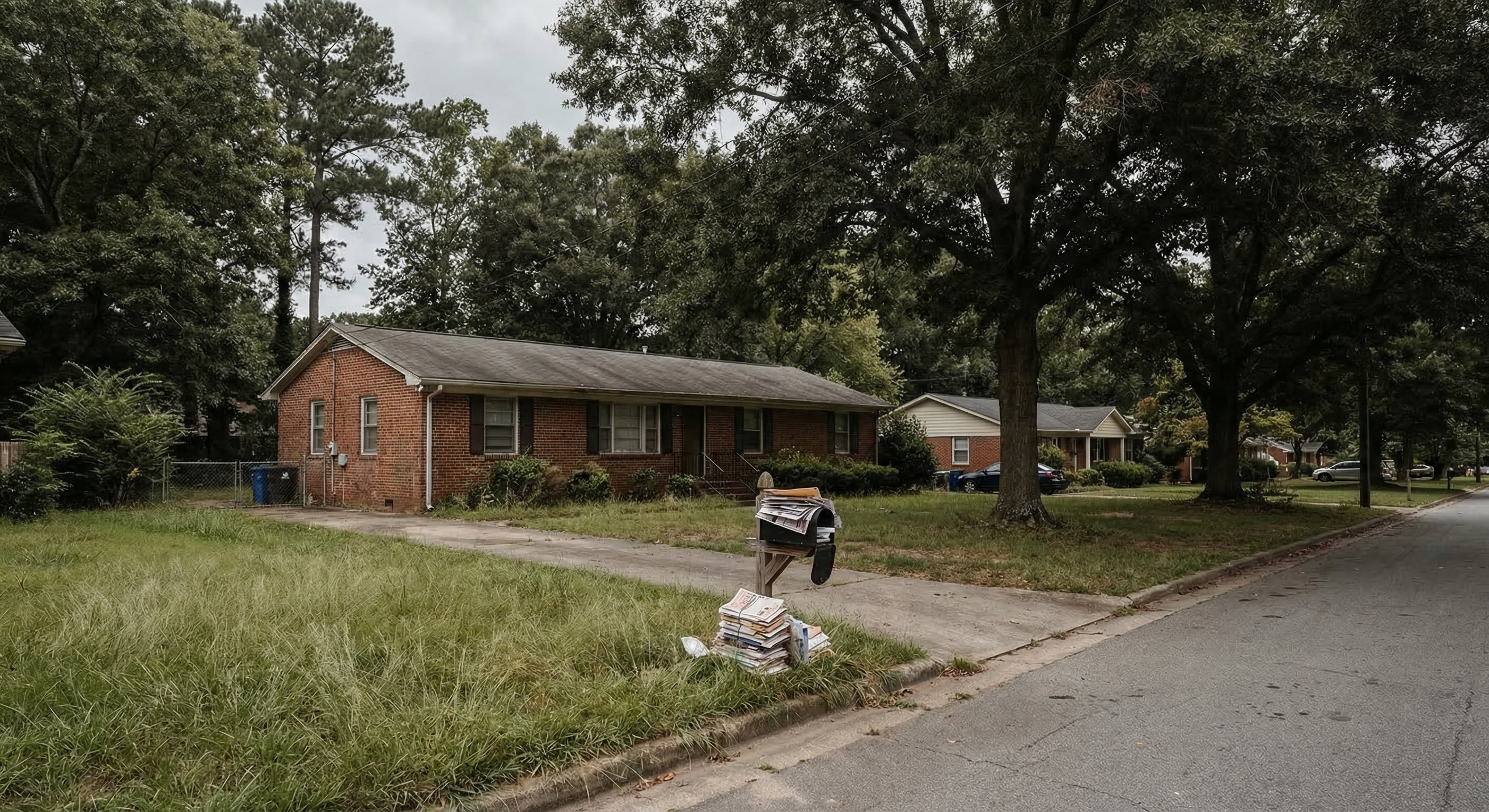
Not all 100 NC counties are equal for this strategy. Here's where absentee owner leads are most concentrated and most actionable:
Mecklenburg County (Charlotte Metro)
Charlotte has been one of the fastest-growing metros in the US for 15 consecutive years. That growth attracted institutional and small-scale investors in waves — many from out of state. The problem: appreciation has made it harder to cash-flow, maintenance costs have risen with the market, and some early-wave buyers are now sitting on 80–100% equity gains with little reason to hold. County assessor data suggests approximately 18% of residential parcels in Mecklenburg have a non-local owner mailing address.
Key submarkets to target: University City, Eastland/East Charlotte, Steele Creek, Mint Hill.
Wake County (Raleigh/Durham/Research Triangle)
Wake County completed a major property revaluation in 2024 that raised assessed values 20–40% in many areas — triggering an immediate spike in annual tax bills. For out-of-state investors who bought in the 2010s, this is a squeeze on margins they weren't expecting. Many are now considering an exit, especially if the property has been a break-even hold for the past two years.
Targeted areas: East Raleigh, Garner, Knightdale, Clayton (Johnston County, adjacent).
Guilford County (Greensboro/High Point)
Greensboro is North Carolina's third-largest city with a large working-class rental market — historically cheap to buy into, which attracted small-scale out-of-state investors. The city has been cracking down on code violations and rental registration requirements, creating pressure on absentee landlords who run properties at arm's length. This combination of regulatory pressure and limited appreciation upside is pushing more owners toward the exit.
Outer Banks (Dare, Currituck, Brunswick Counties)
Dare County has one of the highest absentee ownership rates in the state — nearly half of all properties are non-primary residences. The owners are overwhelmingly from the Mid-Atlantic and Northeast: New Jersey, Pennsylvania, Maryland, New York. Insurance costs have spiked significantly after recent hurricane seasons, HOA dues are climbing, and many owners are re-evaluating whether the property still makes sense. These leads are highly motivated, though they require a slightly different pitch — they're not financially distressed, they're fatigued.
Buncombe County (Asheville)
Asheville became a national short-term rental hotspot between 2015 and 2022. The city and county have since tightened STR regulations, and some operators who bought specifically for Airbnb income are now holding properties that no longer cash-flow as originally intended. This is a targeted, high-motivation segment — and relatively easy to identify because so many were purchased as investment properties with LLC ownership, which is visible in the deed records.
How to Build an Absentee Owner List in North Carolina
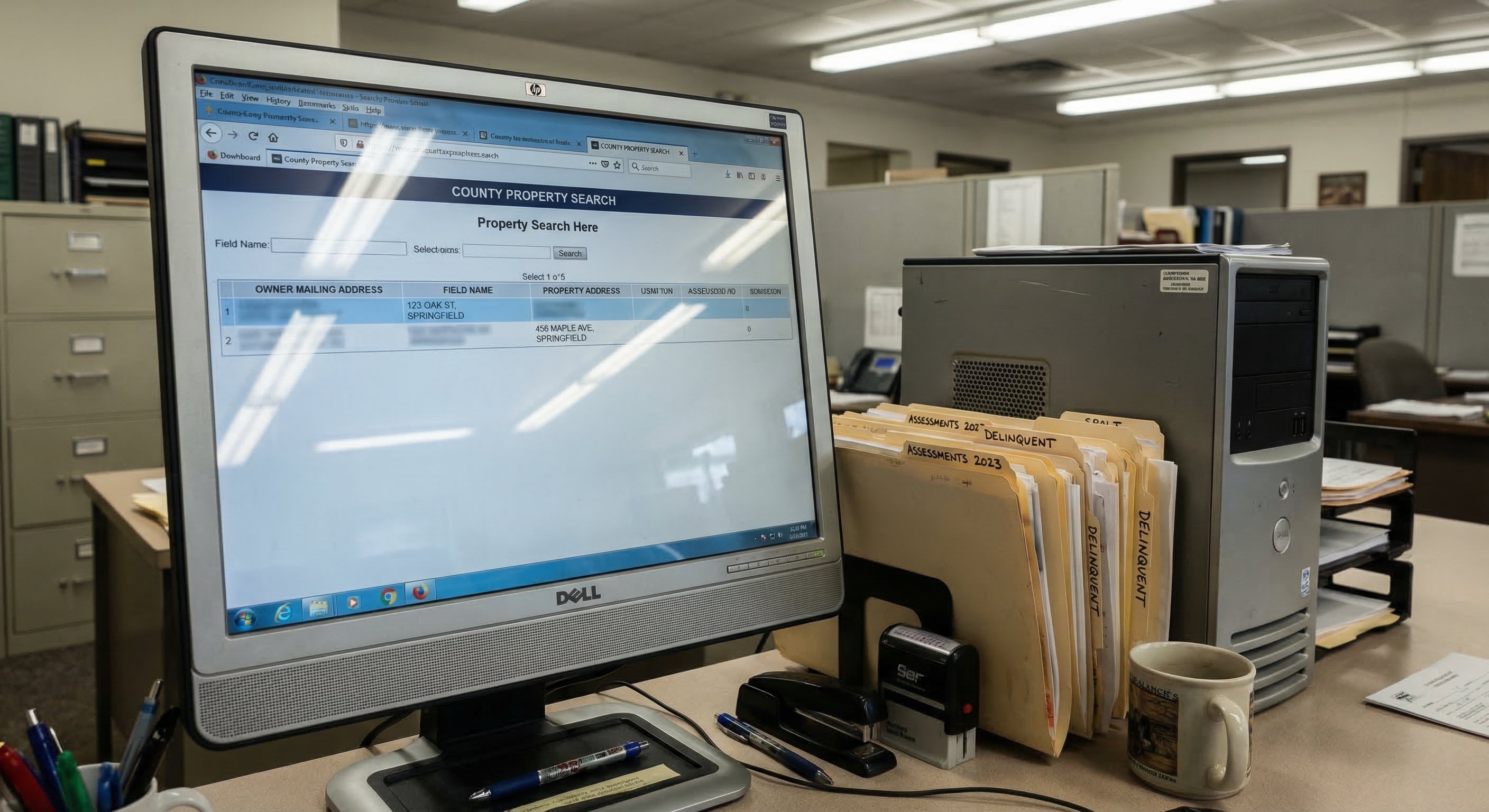
North Carolina property records are public by statute under G.S. § 132-1. Every county maintains a Register of Deeds and a Tax Assessor's office, and most provide searchable online access. The process for identifying absentee owners is straightforward in principle: find records where the owner's mailing address differs from the property address.
In practice, doing this at scale across 100 counties requires either significant manual effort or a platform that's already aggregated the data.
County-level approaches:
The most reliable DIY path is the county tax assessor portal. Most NC counties now provide online portals where you can filter records by owner mailing state or city. Wake County's GIS and property search, Mecklenburg's Polaris 3G, and Guilford's online assessor all provide this. Smaller counties may require a direct public records request to the Register of Deeds or Tax Office.
What you need for each lead:
- Owner name (as it appears on the deed)
- Property address
- Owner mailing address (for skip tracing and direct mail)
- Year of purchase (longer hold = more equity = higher likelihood of transacting)
- Current assessed value versus purchase price (rough equity estimate)
- Any tax delinquency flags
The stacking advantage:
An absentee owner alone isn't a seller. An absentee owner with a tax delinquency is. An absentee owner with a tax delinquency AND a code violation is much warmer. An absentee owner with all three plus a lis pendens on file is closing-ready.
This is why signal stacking matters more than raw list size. DistressIQ tracks 31 distress signal types across 3,200+ counties — and for North Carolina, that includes absentee ownership cross-referenced against tax delinquency records, code violations, probate filings, lis pendens activity, and more. Each property receives a composite score reflecting actual motivation level, not a single data point.
A property that shows up as "absentee owned" on a generic list might score 2/10 on DistressIQ. A property that's absentee owned, two years tax delinquent, with an active code violation scores 8/10. Same general owner type — completely different probability of transacting.
Free Weekly Alerts
See What's Distressed in Your Market
Get free weekly alerts — new distressed properties, motivation scores, and hot neighborhoods in your area. Addresses and contact info available inside DistressIQ.
Free forever · No credit card · Unsubscribe anytime
What Drives NC Absentee Owners to Sell in 2026
Understanding the motivation behind the data helps you close more deals. The primary triggers for NC absentee owner exits right now:
Property tax reassessments — Both Wake and Mecklenburg counties completed significant reassessments in 2024 that caught long-time investors off guard. When your annual tax bill jumps $1,200–$2,000 on a property that was barely cash-flowing, the math changes fast.
Rental market softening — Charlotte and Raleigh saw rental rate growth plateau in late 2024 after years of strong increases. Vacancy periods are running longer, and concessions are back. For thin-margin operators running a single-family rental from out of state, even a 60-day vacancy can erase a year of cash flow.
Distance and deferred maintenance — Out-of-state landlords accumulate maintenance problems faster than local owners. A routine inspection becomes a $12,000 surprise. After two or three of those, most choose to sell rather than continue managing from a distance.
STR regulation changes — Asheville and several other NC municipalities have tightened short-term rental rules since 2023. Owners who bought for Airbnb income and can't operate as originally planned are motivated sellers — and they're often sitting on substantial equity from the appreciation that originally made the market attractive.
Inheritance and estate situations — A significant portion of the absentee owner list in any market consists of inherited properties. Heirs who don't live in NC often want to liquidate quickly rather than manage a rental or maintain a vacant property through probate. These situations frequently lead to below-market deals driven by speed and convenience over price.
How to Prioritize Your Outreach
With tens of thousands of absentee-owned properties across NC, you can't contact them all. Here's how to triage intelligently:
Stack signals first — Any absentee owner with a secondary distress flag (tax delinquency, code violation, lis pendens, probate) goes to the top of your list. Single-signal leads require much higher volume to convert.
Long hold periods — Owners who've held 8+ years have significant equity and lower psychological attachment to their original purchase price. They're more realistic on valuations and easier to negotiate with.
Out-of-state mailing addresses — Prioritize owners with mailing addresses more than 500 miles from the property. Distance creates fatigue. Owners in New Jersey managing a Dare County property are much more motivated than local investors holding a nearby rental.
Coastal vacation counties — Dare, Currituck, Brunswick, and New Hanover have historically high absentee owner conversion rates because these aren't financial investments — they're lifestyle assets being reconsidered when the lifestyle no longer fits.
LLC-owned properties — Properties owned by out-of-state LLCs are often investor holdings, not personal residences. They're more likely to sell based on return calculations rather than emotional attachment.
Ready to skip the 100-county manual pull? DistressIQ covers all of North Carolina with county-verified, daily-updated absentee owner data — signal stacked against tax delinquency, code violations, lis pendens, and more. Founding Member pricing: Starter $89/mo, Pro $174/mo, Elite $349/mo — fewer than 50 spots remaining. Start your free trial at distressiq.ai →
Key Takeaways
- North Carolina's 100 counties contain one of the Southeast's richest absentee owner datasets — from urban investor-landlords in Charlotte and Raleigh to vacation property owners on the Outer Banks.
- The highest-concentration markets: Mecklenburg (Charlotte), Wake (Raleigh), Guilford (Greensboro), and the coastal/mountain counties (Dare, Buncombe).
- Recent property tax reassessments in Wake and Mecklenburg are the primary 2026 exit trigger for investor-landlords.
- STR regulation changes in Asheville and coastal markets are pushing Airbnb-focused buyers toward exits.
- Stacking absentee ownership with secondary signals (tax delinquency, code violations, probate) dramatically improves lead quality and outreach conversion rates.
- NC property records are publicly accessible under G.S. § 132-1 — but aggregating them manually across 100 counties is the practical bottleneck.
Frequently Asked Questions
Q: How do I get an absentee owner list for North Carolina?
North Carolina property records are public under state law (G.S. § 132-1). Each county's tax assessor maintains records that include the owner's mailing address. You identify absentee owners by comparing that mailing address to the property address. Most large NC counties provide searchable online portals — Wake County, Mecklenburg, and Guilford all do. For statewide aggregated data with signal stacking, platforms like DistressIQ provide a ready-to-use list updated daily from county assessor sources across all 100 counties.
Q: What percentage of NC properties are absentee-owned?
Estimates vary by market. In major urban counties like Mecklenburg and Wake, roughly 15–20% of residential properties have a non-local owner mailing address. In coastal vacation counties like Dare and Brunswick, absentee ownership rates can exceed 40–50%, as these markets are dominated by vacation and seasonal properties owned by buyers from the Northeast and Mid-Atlantic.
Q: Are NC property records free to access?
Yes. North Carolina's Public Records Law (G.S. § 132-1) guarantees public access to property ownership records. Individual county portals are free to search. Some counties may charge small fees for bulk exports or formal records requests. Third-party aggregators that compile and enrich the data across all counties charge subscription fees, but they save significant time versus manual county-by-county pulls.
Q: What's the best county in NC for absentee owner leads?
For volume, Mecklenburg (Charlotte) and Wake (Raleigh) offer the largest concentrations of investor-held, out-of-state owned residential properties. For conversion rate on vacation and lifestyle properties, Dare County (Outer Banks) and Buncombe County (Asheville) have high absentee ownership rates with increasingly motivated sellers due to insurance increases and regulatory changes.
Q: How do I contact NC absentee owners once I have the list?
Standard outreach channels: direct mail to the owner's mailing address, cold calling (requires skip tracing for current phone), or text campaigns (subject to TCPA compliance). Direct mail to the owner's mailing address is the most reliable starting point. Skip tracing for a current phone number is essential for follow-up conversion. For high-score leads (stacked signals), phone outreach as the first touch often outperforms mail.
Q: Does NC have any investor outreach restrictions?
North Carolina doesn't have state-specific restrictions on direct mail or cold call outreach to property owners beyond standard federal regulations. The national Do Not Call Registry applies to phone outreach. If you're running automated dialing or SMS campaigns, TCPA compliance is required — consult a real estate attorney familiar with your specific outreach strategy.
Q: How does absentee ownership compare to pre-foreclosure leads in NC?
They serve different strategies and timelines. Pre-foreclosure leads (lis pendens filings) represent owners in active financial distress with a legal deadline creating urgency — these are faster closes. Absentee owner leads are a broader pool with widely varying motivation levels. The highest-quality leads combine both: an absentee-owned property with an active lis pendens is among the most motivated seller profiles available, and these stacked opportunities are exactly what DistressIQ surfaces.
Whether you're wholesaling in Charlotte, hunting off-market deals in Raleigh, or working the Outer Banks vacation property market, North Carolina's absentee owner list gives you a systematic lead source that most investors in the state are still working manually — if at all. The edge isn't just having the list. It's knowing which properties on that list are actually ready to move.
See your target counties' absentee owner data at distressiq.ai →
The data behind this article
DistressIQ Monitors These Signals in Real Time
Pre-Foreclosures
NOD + NTS filings
Tax Delinquency
County treasurer records
Code Violations
Municipal inspection filings
Probate Filings
Superior Court records
Every lead is scored 0–100 for seller motivation based on signal type, duration, severity, and stacking. Nationwide coverage — every US county, updated daily.
Ready to find deals in your market?
See Live Distress Signals in Your County
Stop calling dead leads. Every lead in DistressIQ is scored 0–100 for seller motivation, with verified contact info included. Browse the free tier to see what's active in your market right now.
Browse Free Leads — No Credit Card