Eviction Leads Florida: How Investors Find Properties With Court-Ordered Vacancies
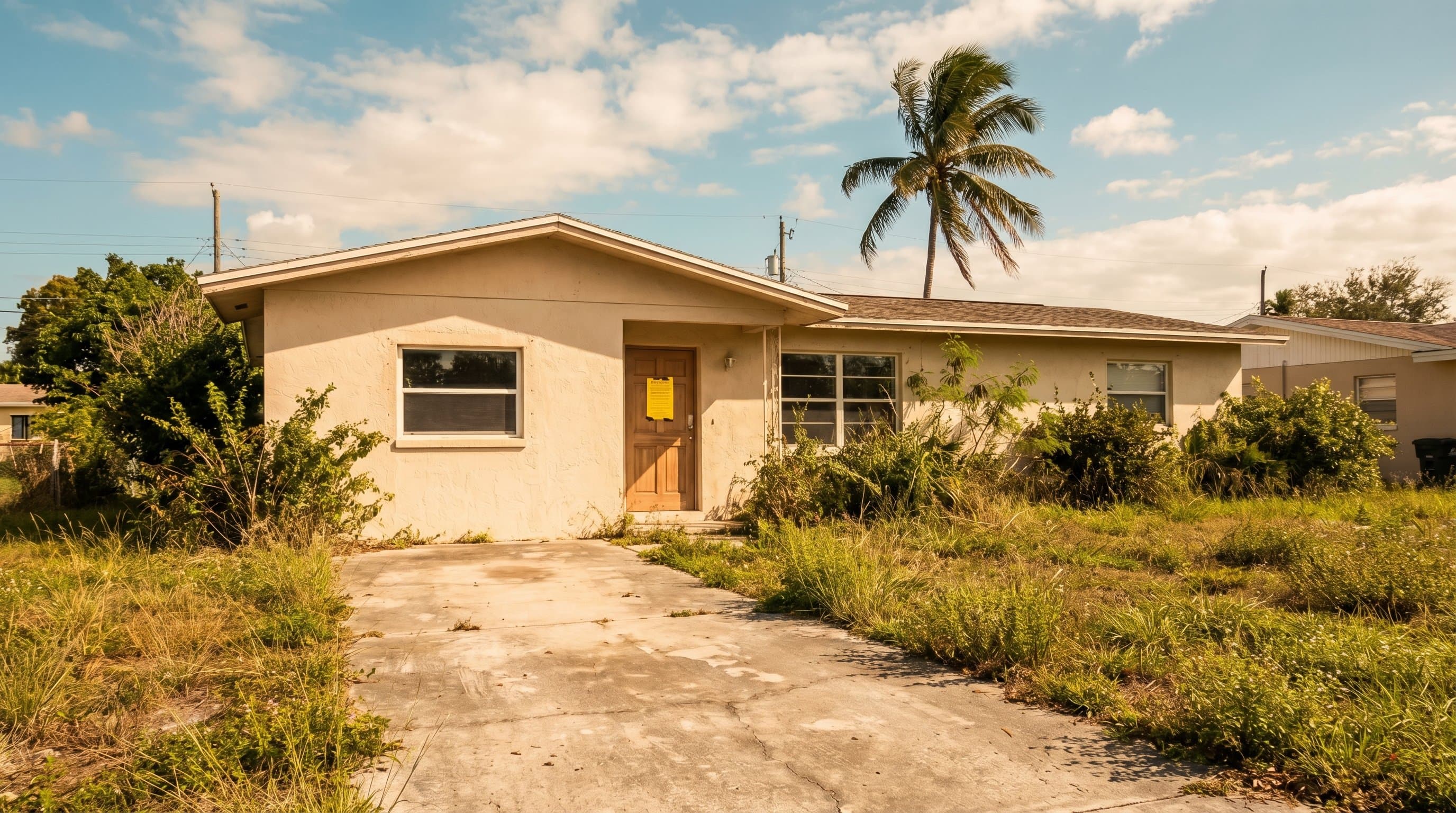
Eviction Leads Florida: How Investors Find Properties With Court-Ordered Vacancies
TL;DR: Eviction filings in Florida are a matter of public record through each county clerk of circuit court. A filed eviction case signals a property owner who needs to sell, often fast. Florida's residential eviction process typically runs three weeks to six weeks from notice to writ of possession. Investors who monitor these filings gain access to highly motivated sellers before the property hits the resale market. The best approach combines county clerk records with platforms that provide real-time coverage across Florida's 67 counties.
How Florida Eviction Law Works for Residential Properties
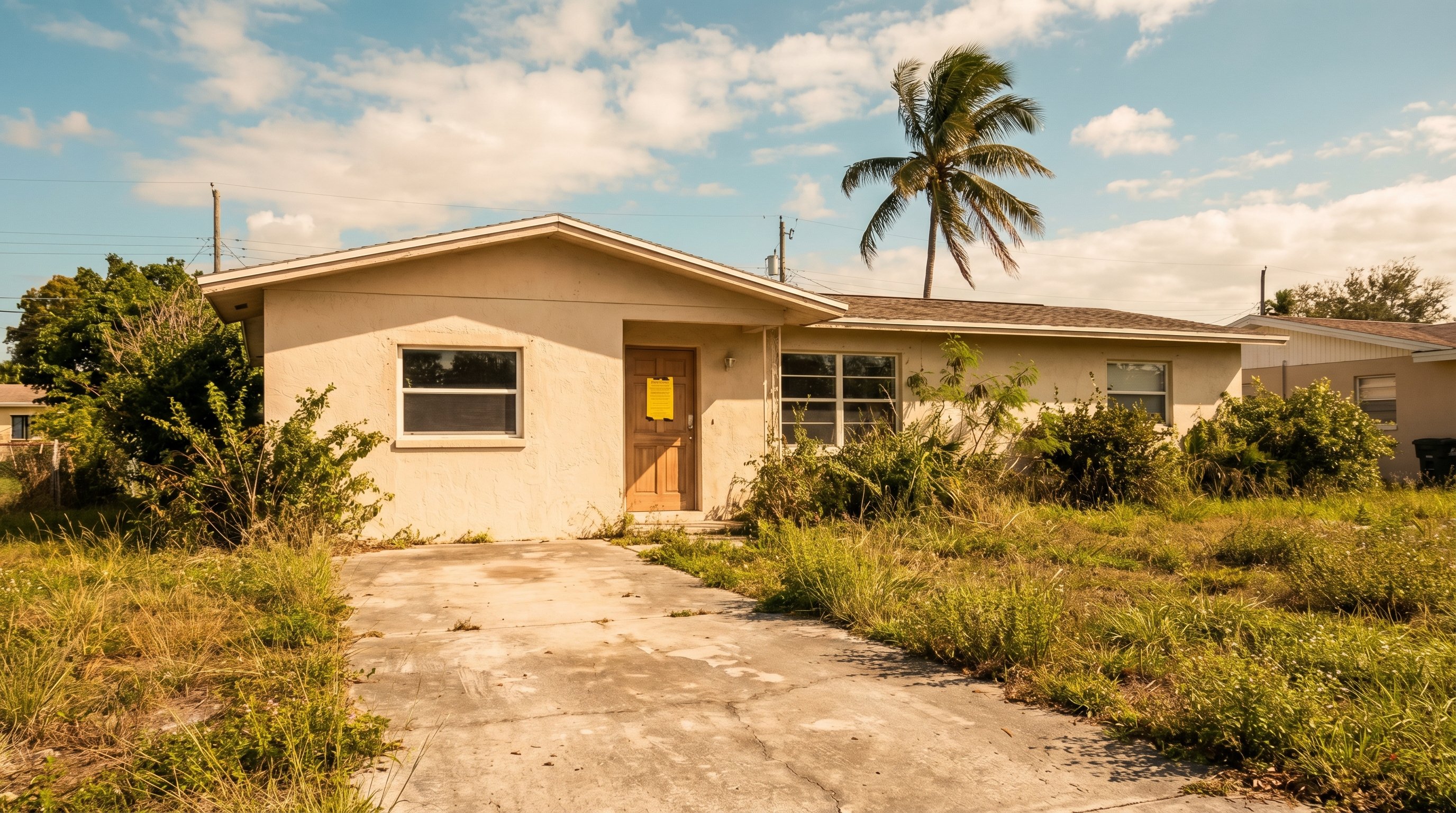
Florida landlords follow a structured legal process to remove tenants. Under Florida Statutes Chapter 83, the path begins with proper written notice. For non-payment of rent, the notice demands rent be paid within three days. For month-to-month tenancies, 15 days written notice is required. For lease violations, seven days to cure or vacate.
If the tenant does not comply, the landlord files an eviction lawsuit at the county clerk's office. The clerk assigns a case number and schedules a court date. Florida's residential eviction court hearings typically occur within five to ten business days of filing, though schedules vary by county. At the hearing, if the landlord prevails, the clerk issues a judgment.
The final step is the writ of possession. This court order authorizes the county sheriff to physically remove the tenant if they do not leave voluntarily. In most Florida counties, tenants have 24 hours after the sheriff posts the writ to vacate. The entire process, from initial notice to physical vacancy, can take as few as 20 days in an uncontested case. Contested cases, or cases in counties with heavy court dockets, commonly stretch to 45 or 60 days.
Florida's 67 counties operate under the circuit court system, with 20 judicial circuits. Each circuit handles eviction cases for its counties. Miami-Dade, Broward, and Palm Beach counties carry the heaviest caseloads. Smaller rural counties like Dixie, Gilchrist, and Lafayette see far fewer filings, but those properties often come with fewer competing investors.
Accessing Florida Eviction Court Records
Eviction case filings in Florida are a matter of public record. The Florida State Courts website provides a searchable case lookup by name, case number, or attorneys of record. However, the state system does not index cases by property address in a way that makes broad searches efficient for investors.
Each county clerk maintains its own public records portal with varying levels of online access. Miami-Dade's clerk website offers robust online case search. Hillsborough and Pinellas counties have invested heavily in digital court records. Some smaller counties still require in-person visits to the clerk's office to review case files.
A direct county-by-county search is free, but it requires significant time investment to cover multiple counties on a regular schedule. The practical reality is that monitoring all 67 Florida counties manually requires either dedicated staff time or a platform that aggregates these records centrally.

Florida's clerks of court are required to make eviction filings available as public records under Chapter 119 of the Florida Statutes. Property investors may request physical case files, review filings at the clerk's public access terminal, or use online search tools. Some counties charge a small administrative fee for certified copies of filed documents.
What Eviction Filings Reveal About a Property
An eviction case contains specific, verifiable information that investors can act on. The filing lists the property address, the landlord's name, the tenant's name, and the case number. It reveals the filing date, the type of tenancy, the amount of rent claimed due, and the court date.
After judgment, the case file shows whether the landlord won, whether the tenant contested, and whether a writ of possession was issued. The date the writ was issued matters significantly. Properties where the writ has been executed are vacant or about to be vacant. Properties where the case is still pending may still be tenant-occupied, creating a different investor approach.
Court records also connect investors to other public documents. From an eviction filing, investors can identify the property owner, pull the county assessor's record, check for outstanding mortgages, and review any associated foreclosure or tax delinquency records. A single eviction case often opens several data doors simultaneously.
Free Weekly Alerts
See What's Distressed in Your Market
Get free weekly alerts — new distressed properties, motivation scores, and hot neighborhoods in your area. Addresses and contact info available inside DistressIQ.
Free forever · No credit card · Unsubscribe anytime
Finding Eviction Leads Efficiently Across Florida
The most common approach for individual investors is a manual county-by-county search. This provides accurate, current data and no subscription cost, but the time investment scales poorly as investors try to cover more counties. Following up on leads manually across 67 counties requires several hours per week at minimum.
Online case aggregation websites offer a middle ground. Several platforms compile Florida circuit court records and allow searches by county or by party name. These services typically update on a daily or weekly cycle, which means investors may be acting on information that is already several days old by the time they see it.

A more efficient path for active investors is using platforms that monitor circuit court records continuously across Florida's counties. These platforms aggregate new eviction filings as they are entered into the court system and flag properties based on criteria the investor sets. Real-time monitoring of new filings gives investors the earliest possible window to reach out to the property owner, often before the tenant has even vacated.
DistressIQ monitors eviction court filings across multiple Florida counties and pairs them with vacancy signals, code violation history, and tax payment status. Investors using the platform receive updated records and property intelligence without manually searching individual clerk websites. This approach reduces the research legwork and surfaces properties that show multiple distress indicators simultaneously.
Florida Eviction Timeline: What Investors Need to Know
The timeline between initial notice and physical vacancy creates distinct windows for investor action.
Notice period (days 1 to 3): The landlord serves written notice. The tenant has a fixed period to pay or vacate. This is not yet a court case, but experienced investors monitor landlords who are actively pursuing this path. A landlord who has already sent a third notice is a strong candidate for a quick sale.
Filing period (days 5 to 15): The eviction lawsuit is filed. Case numbers are assigned and court dates are set. At this point, the case is a matter of public record. Investors can identify the property and begin outreach.
Court hearing (days 10 to 25): The hearing takes place. The landlord typically prevails if proper notice was served and rent is genuinely owed. Tenants who do not appear at the hearing lose by default.
Writ of possession (days 15 to 30): If the landlord wins and the tenant does not voluntarily vacate, the clerk issues the writ of possession. This authorizes sheriff enforcement.
Vacancy (days 16 to 45+): The sheriff posts the writ. Tenants generally have 24 hours to leave. In practice, many tenants negotiate move-out dates or leave within a few days of the posting.
The fastest investor window is between the court hearing and actual vacancy. Owners who have won an eviction case are highly motivated to complete a sale, especially if they still owe on the property. The post-vacancy window is also strong, because vacant post-eviction properties often carry carrying costs that make a quick sale urgent.

County-by-county, timelines vary significantly. Orange County and Hillsborough County courts operate faster than the statewide average. Rural county courts may schedule hearings with longer gaps due to smaller dockets.
Key Takeaways for Florida Eviction Lead Investing
Florida eviction records are public and searchable through each county clerk of circuit court. The state court system provides baseline online access, though coverage and ease of use vary by county.
The residential eviction process in Florida typically takes three to six weeks from notice to physical vacancy, depending on whether the tenant contests and the caseload of the specific circuit court. Uncontested cases in fast-moving counties can resolve in under 30 days.
The strongest investor opportunity lies in the window between the court hearing and vacancy. Property owners at this stage are motivated to sell and often under financial pressure from mortgage payments on a non-producing asset.
Signal stacking improves lead quality significantly. Eviction cases combined with vacancy indicators, code violation history, or tax delinquency records identify the most motivated sellers. These properties frequently sell at meaningful discounts to investors who can close quickly.
Platforms that monitor Florida circuit court filings across all 67 counties and surface pre-matched distress signals save investors the hours required to search individual clerk websites. The investor's time is better spent on direct outreach and deal negotiation than on public records research.
Frequently Asked Questions
What exactly is an eviction lead in Florida?
An eviction lead is a property where an eviction lawsuit has been filed against the tenant in circuit court. The filing is a matter of public record. It signals a property owner who needs to either collect unpaid rent or regain possession of the property, often with the intent to sell.
How do I find eviction records in Florida?
Florida eviction records are available through the county clerk of circuit court's public records. The Florida State Courts website provides a basic case search function. Investors can also use public access terminals at clerk offices or request physical case files. Online aggregation platforms compile these records for easier searching.
How long does the eviction process take in Florida?
For residential evictions in Florida, the timeline from initial notice to physical vacancy typically ranges from three weeks in uncontested cases to six weeks or longer if the tenant contests or if the county court docket is backed up. The three-day notice period plus the hearing and writ process account for most of this time.
What should I look for when evaluating an eviction lead?
The key factors are the stage of the case, the property condition, and whether the owner still has a mortgage. Properties where the writ of possession has been issued or executed are vacant or about to be. Pairing eviction history with vacancy signals, code violations, or tax delinquency increases the likelihood of finding a highly motivated seller.
Can I buy a property directly from the owner during an active eviction case?
Yes. A property owner going through an eviction may be receptive to a direct purchase offer even before the case resolves. A quick sale eliminates their tenant problem and stops ongoing carrying costs. The investor takes on the property as-is, often at a discount reflecting the circumstances.
Are eviction leads only useful for rental properties?
Mostly, yes, because eviction is a landlord-tenant legal process. However, some owner-occupied properties go through eviction-like proceedings in specific circumstances, such as foreclosure-related evictions or properties with illegal occupants. The majority of actionable eviction leads in Florida involve rental properties.
Do other distress signals overlap with eviction leads?
Frequently. Properties with active eviction cases often show co-occurring distress signals, including code violations, vacancy, and tax delinquency. These stacked signals indicate a property where the owner is under significant financial pressure and is highly motivated to sell quickly.
The data behind this article
DistressIQ Monitors These Signals in Real Time
Pre-Foreclosures
NOD + NTS filings
Tax Delinquency
County treasurer records
Code Violations
Municipal inspection filings
Probate Filings
Superior Court records
Every lead is scored 0–100 for seller motivation based on signal type, duration, severity, and stacking. Nationwide coverage — every US county, updated daily.
Ready to find deals in your market?
See Live Distress Signals in Your County
Stop calling dead leads. Every lead in DistressIQ is scored 0–100 for seller motivation, with verified contact info included. Browse the free tier to see what's active in your market right now.
Browse Free Leads — No Credit Card